Lessons with Grandma #1: Hair washing, potato soup, and a visit to the ER

On Saturday mornings, when I didn’t have high school speech tournaments, I would ride my bike to Grandma’s house, wash her hair, set it in pin curls, dry, and style it. I loved this ritual. It was my time with Grandma and a chance to show her my love.

Her hair was gorgeous, pure white, fine, and soft as kitten fur. She kept it short, only a few inches long, but rolling thin strips into curls and securing each with two bobby pins took a while.  Once every strand was contained, she sat under her bonnet hair dryer; I would check every 10-15 minutes until it was dry. To check, I’d unpin a curl, unroll it to check for moisture, and re-roll it if it was damp. When her hair was dry, I would gently unpin each curl and run my fingers through it. Grandma didn’t have a lot of patience for my playing with her hair, but she did love the freedom of the pins being removed. When all the curls were loose, I would gently brush and style her hair. Sometimes she had me secure it with hairspray. Other times she just kept it free.

On one Saturday, I was moving a little slowly when Grandma called. Mom burst into my room and commanded “Get up. Grandma needs you. Take the car.” Half-awake I replied, “I’m coming. Just a few minutes. All I have to do this morning is wash Grandma’s hair. I’m just a little tired. Mom.” “She needs you now! There’s been an accident. She’s cut herself.” I leapt out of bed and threw clothes on as fast as I could. “Take the car”, mom demanded, throwing the keys to me. I drove the 6 blocks to Grandma’s house as fast as I could. The 3 minutes it took to get there were interminable. I parked along the side of the house, leapt the curb, ran up the steps, and burst through the door. I heard water running in the kitchen sink. “Grandma, I’m here.” When I entered the kitchen, there was blood from the table across the floor to the sink, a lot of blood. Grandma was holding her left hand under the faucet. What looked like an impossible amount of bright red blood flowing into the water stream from the deep gash between her thumb and index finger. “I was cutting a potato and the knife slipped. “Ok” I said. “Let’s wash it out with soap and I’ll get a towel.” “I feel woozy, Grandma said. She looked pale and as if she might faint. I gently washed her hand and quickly packed a clean washcloth against the wound, then wrapped her hand and wrist in a kitchen towel. “Ok. That looks deep. We need to go to the hospital. I think you need stitches. Do you think you can walk?”, I asked. “Yes” she replied weakly. We slowly walked through the house, my arms around her waist, her right arm around my shoulder, her injured hand against her chest. Slowly we moved across the living room, out the door, down the steps, across the street. The walk seemed to take so long, and blood was seeping through the hand towel. I gently helped Grandma into the passenger seat. “Lean back, close your eyes, and just rest”, I said as I sprinted around the car and jumped into the driver’s seat.

Grandma had never learned to drive and she was a skittish passenger (at least with me). I drove carefully to the hospital, less than 5 minutes away, (the beauty of living in such a small town), cooing and soothing Grandma as I drove. I pulled up to the entrance, told Grandma I would be right back, and dashed to the door. Two Sisters of Mercy in mid-calf white habits with short white veils that held their hair back from their foreheads were at the front desk. “Please help me. My Grandma cut her hand and it’s bleeding pretty badly.” One nun grabbed a wheelchair while the other grabbed the phone. We got Grandma out of the car and the nun rolled her straight to an operating room. They got Grandma onto a gurney and a doctor came in immediately. “You should leave, young lady”, he said. “Please let her stay”, Grandma said. “Come over here and hold my other hand”, she demanded firmly. I did. She had bled quite a bit on the drive and the towels were bloody. “Let’s see what we have here”, the doctor said as he unwrapped the towel and washcloth. “You wrapped this well”, he said. “See, it’s starting to clot off a bit, but this is deep and will need stitches. It doesn’t look like she cut anything major, so I’m going to clean this with antiseptic, give her a couple shots to numb the area, then put in several stitches.” Grandma lay with her eyes closed as the doctor flooded the wound with antiseptic. When he picked up what looked like an impossibly large needle, I noticed the room starting to get dark; the light on Grandma’s hand was impossibly bright. I noticed black spots in my peripheral vision. One on the nuns gently put her hands on my shoulders and directed me to a chair. I sat heavily, feeling dizzy. I heard a small crack and smelled a pungent aroma just under my nose. “Smelling salts”, she said quietly in my ear, “You looked a little dizzy. Just put your head down and breathe calmly. This happens. You managed the crisis, now your body is reacting to the shock. Just breathe.”

I didn’t pass out. Grandma got stitches and a white bandage around her hand and wrist with instructions for wound care and rest.

We drove home quietly, content that the crisis was over. I got Grandma into the house and into a chair in the living room, covered her with a blanket, called my mom to let her know what had happened, and cleaned the kitchen.

Grandma told me she had been planning to make potato soup, so I cut the onions and celery she had on the table, and the potatoes she had already peeled and placed in a bowl of water, careful not to cut toward my hand. I even made rivels (flour, eggs, and salt) to boil on top.

I learned a lot in that short morning. I learned I’m good in a crisis; I learned I’m not so good with blood, and maybe most valuable, I learned a healthy respect for vegetables, especially potatoes. I learned to use a cutting board to cut vegetables and never to hold a potato and cut toward my hand. I also learned that with Grandma’s guidance, I make a mean potato soup. We decided to wait to wash her hair until the next day.

My beautiful Grandma Dorothy Catherine Pence (Whalen)

On Fear, Hope, a Bracelet, and Gratitude

Sometimes those who love us see more clearly what we need than we do. Today I write about one of those times. Today I write about fear, hope, and a bracelet that signified both. Today I write about gratitude. This month is the 10-year anniversary of the freak dancing accident that resulted in breaking both of my wrists, triple fracturing my right and double fracturing my left. That accident was in many ways both a blessing and a curse. I learned so much about myself and those I love. I learned that people would be there for me if I needed them. I learned I was safe to be helpless. I learned how to deal with the most excruciating pain I could imagine. I learned to slow down, to be kind to myself, to accept care, to ask for help. I didn’t learn these lessons easily, but I learned them.

Throughout the holiday season, I was working my way through splints, then casts, then braces with increasing levels of physical therapy. For homework, I was playing in a bowl of rice multiple times a day to reduce skin sensitivity and promote flexibility. I was opening and closing wooden clothespins, learning to touch my fingertips to my thumbs, and trying to relearn how to do simple tasks for myself, like feeding myself, brushing my teeth, dressing myself.  

One day, my friend Miche Dreiling brought me a present. It was a small, square box. Inside was a delicate, red bracelet. It was the most terrifying thing I had ever seen. A bracelet! A bracelet? My skin was so sensitive I couldn’t imagine ever being able to wear a bracelet again. Even though this one was so delicate and small, it looked like a torture device to me. I know I looked at Miche confused. “Not for now”, she said. “For later… when you’re healed”. I closed the lid on the box and put the bracelet in a drawer in my hutch. I wondered if I would ever take it out. It became a symbol of fear and hope.

The day I decided I was ready to try to wear it finally came. I was apprehensive as my skin was still so sensitive, but it was time. Andrew helped me put it on. And though I could only wear it for a short time that day, I knew that sometime soon, I would be able to wear it for much longer periods. I knew that I would someday be able to wear all my treasured bracelets and rings whenever and for as long as I wished. That day wasn’t here yet, but it was coming. Today as I reflect 10 years later, I am wearing an iWatch, a wrap bracelet, and 5 rings on my hands. The moment I opened Miche’s gift, I doubted that this day would ever come. Now I don’t think about jewelry anymore. I wear it easily and without pain.  

In all honesty, what at first felt like the most insensitive gift I could imagine became a talisman of hope as I embraced my healing and the belief that I would regain full function and capacity. I am grateful that Miche brought me this talisman of hope. I doubted the wisdom of this gift. In retrospect, it was just the gift I needed. I cherish that bracelet as a reminder that in fear, there can also be hope.

Connection, preemies, and African violets

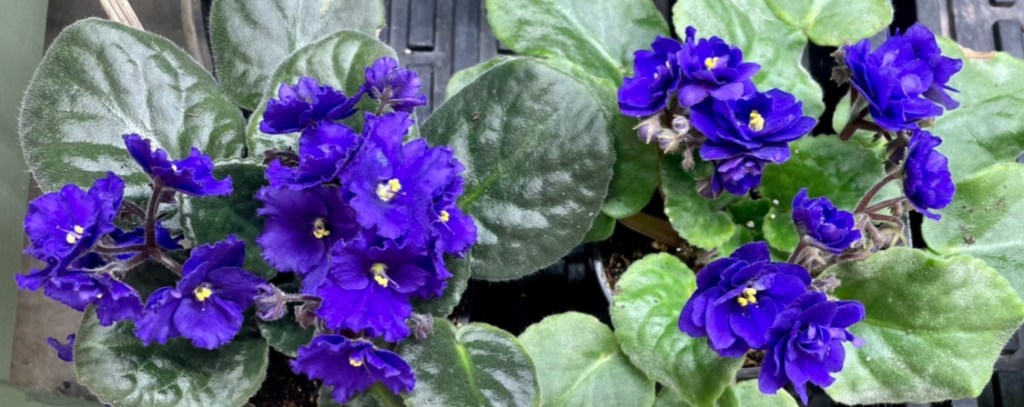
I’ve been thinking about African violets today. When I was little and just starting to learn about plants, my grandmother told me that African violets thrive best when the leaves of different plants touch one another. I am like an African violet. Touch and connection are critical if I am to thrive.

I’m thinking about connection because of an experience I had this morning. Andrew has a cool brain wave machine to help you relax, sleep, concentrate, or whatever you need to do. It has alpha, gamma, delta, and beta waves depending upon what program you choose. I haven’t been sleeping very well (jet lag) so I was going for relaxation, alpha waves. I’ve only tried the machine three times and each time I’ve had some really interesting insights. I write about today’s insights below.

There are a lot of amazing and wonderful things going on in my life, but I’ve also been feeling a level of angst and distress that I couldn’t explain.

I realized during the session this morning that my distress is about connection. I view connection as the most basic and fundamental of human needs.

I was born two months prematurely and spent the first month of my life in an incubator. I was born in my grandmother‘s home and the doctor, who arrived shortly after my birth, immediately took me away from my mother and rushed me to the hospital. He put my mother to bed for two weeks to recover, because apparently that’s what you did at that time. My aunt, who became my godmother, came to visit my mother shortly after my birth. She came to the hospital to see me as well, once. Because I was in an incubator for the first month of my life, I was not held. I was touched minimally. The belief was that I needed all of my energy and attention to be focused on growth. During that month, I largely grew alone.

My father and his parents met the doctor at the hospital almost immediately upon my arrival there. They could only see me in the incubator across the room.

This reality of separation has led me on a lifelong journey seeking connection. I have not been very successful at achieving that. I am estranged from my biological family for reasons I will not get into here. I do not communicate with my mother or any of my siblings. I thought I had found enduring connection with my husband. I felt that we were soul mates. While we were wonderful together for a long time, that ended as well. We have two children, a son and a daughter. I felt so connected to and needed by these amazing beings. I was their center, I grounded them as they grew. When they were born I wished for both of them to be strong, loving, and independent. They are both exactly that, in their own unique ways, and so much more. I wished for them to be close to one another always, to be able to rely on one another. After all our siblings are often the longest relationships of our lives. My siblings and I were not raised that way. Closeness with my siblings was what I desired, and so, what I wished for my children.

With Covid, and the trajectories of our lives, I have felt my connections with my children weakening. Not our love for one another, but our willingness to reach out to one another both for casual everyday connection, and in time of need. Maybe that’s just a natural part of the growth process. My children are adults with their own lives.

Our weakening connections have been especially hard. I view our connections as part of what makes us strong and able to manage anything that we’re faced with in life. I do not believe that any one person can ever meet all of the needs of another person. I believe that all of our important relationships offer something unique and of value that is irreplaceable. I have often said that the reason I am able to go out big in the world is because I have my people to come home to, figuratively if not literally.

Being locked down through Covid and physically separated from my son and daughter for longer than ever before has been extremely hard on me. I haven’t seen my son in two years. I’ve been fortunate to have seen my daughter several times during this time, but far less than usual. The physical distance is hard.

I am blessed with a wonderful partner, also a preemie, who loves me, understands me, and supports me more fully than anyone ever has. He truly sees me and his desire for connection matches mine. I am fortunate that I have found my home with him. He is my person. He is my heart.

In many cultures around the world the bonds within families, the bonds between parents and children endure and are strong for a lifetime. I wonder why in our culture we push so hard for independence and doing things on your own. That seems unnecessarily difficult to me. I wish that we could recognize the importance and significance of the basic human need for connection. I wish we cherished and nurtured those connections that make life so much fuller and richer.

Maybe I feel this need for connection more strongly than others do because of that first month of going it alone in an incubator. Maybe that’s why I understand the African violet’s need to touch in order to thrive.

Travel Tips from a Woman on a Plane

I’m constantly on the lookout for things that make travel easier. Not having traveled much since BC (before Covid), a lot of my tips and tricks were not in the forefront of my mind as I prepared for my trip to South Africa. Which means, that I forgot almost everything. I was lucky enough to learn some new travel tips as I headed to South Africa.

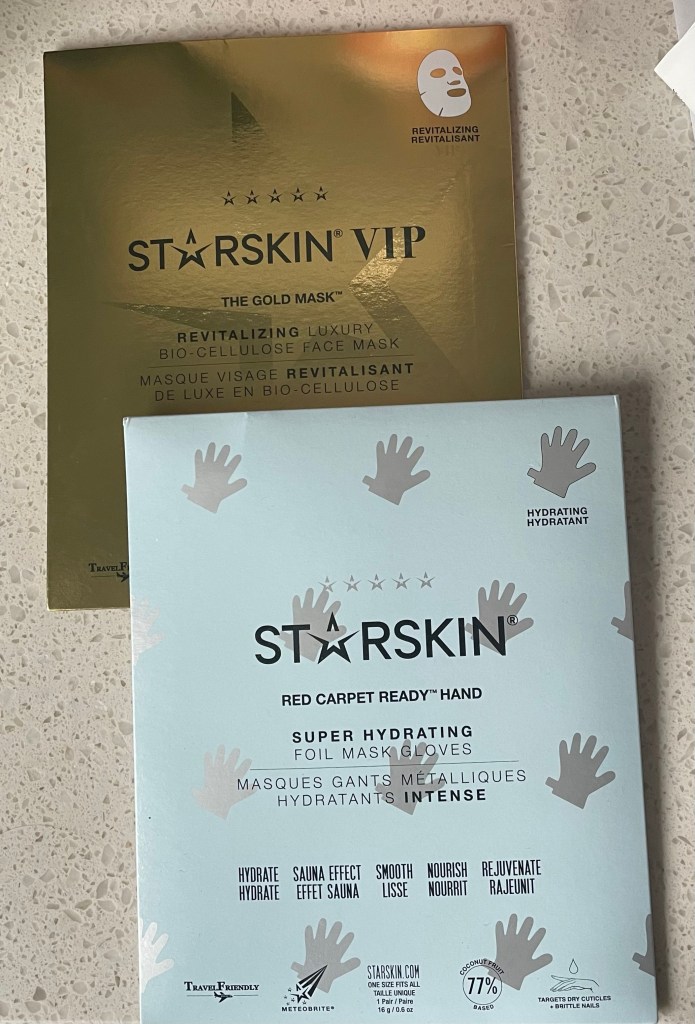
On my New York to Amsterdam flight, I sat next to a mother and daughter traveling from Florida to Switzerland on holiday. At one point, I returned from walking around my part of the plane to stretch my legs. Due to Covid restrictions, I was only able to walk around my section of the plane. Anyway, when I returned to my seat, the woman sitting next to me had on a gold mask with stars across her forehead under her Covid mask. It startled me because it was unexpected and not how she looked when I left. I noticed her mom was wearing one too. I was intrigued.

So, I asked. She told me it was a moisturizing mask she picked up for a couple bucks at Target before her trip. Easy peasy. It seemed like a great idea. I had forgotten how dry planes are and had just been wishing my lotion wasn’t in my checked luggage.

Little did I know, she wasn’t done. I was witnessing a plane ritual. Next, she broke out a second packet. This one contained what looked like clunky hair dyeing gloves. She unfolded them from the packet and slid her hands into them cinching them around her wrists with a sticky strip. They were also filled with lotion. She and her mom wore their gloves for 10-15 minutes or so, after which they peeled the gloves off, folded them back into the original packet and massaged the rest of the lotion into their hands and arms.

We talked further. I asked her how she came up with these ideas. She said that every time she travels, she engages in this ritual toward the end of long flights. The ritual also included a moisturizing eye mask, which I had somehow missed noticing, and travel socks infused with aloe. Long trips are tiring and hard on our skin, especially on our faces and hands. She said rather than tired and moisture starved, she liked to arrive at her destination refreshed.

Genius!

I typically bring a moisturizing spray for my face, saline solution for my nose, eye drops, and cuticle oil as well as hand lotion when I travel, almost all of which were currently in my checked luggage and out of reach. I’m a little out of practice. What I was observing took my typical self care routine in planes to a whole new level. I loved the idea of turning the end of a long flight into a spa moment.

Ok, so I actually got to try this out. As good fortune would have it, I got off my flight in Amsterdam, and directly across from my gate was a drugstore. Surely they wouldn’t have moisturizing face and hand masks. They had both. As I still had an over 10 hour flight ahead of me to Johannesburg, I decided to splurge and treat myself. I picked up a couple of each for my next flight and my return trip.

For my first try, it was a little messy. About 8 hours into my flight, I washed my face and brushed my teeth, then I put on the face mask, it was the kind that is face shaped and you peel off the backing, place it over your face and massage it a bit to get it to fit smoothly. It was very creamy. I placed my Covid mask on top of it and moved to the hand masks. I should have taken these steps one at a time. Nooby error. The gloves were filled with a soft lotion that warmed comfortably as I wore them. I cinched the gloves around my wrists and leaned back to relax for 20 minutes. Both felt nice, soft, creamy, and pretty refreshing. I was concerned about the possible mess though so I didn’t really relax very well.

After 20 minutes I took off the face mask, folded it up and put it back in the packet. I massaged the rest of the lotion into my face as best I could with clunky gloves on and broke out a new Covid mask. The one I had worn was full of lotion. My face felt really nice. Then I removed the gloves, folded them, and placed them in their original packet. I massaged the lotion into my hands, wrists, lower arms, and elbows. There was a lot of lotion in those gloves! Surprisingly, I didn’t make a huge mess. I did get some lotion in my hair and some strange looks from people sitting near me. But I felt very refreshed after engaging in this ritual.

As we were about to land, the woman sitting next to me asked me to explain what I had done and why. I told her about meeting the mother and daughter on the plane from New York and that on impulse I had picked up the face and hand masks at the drugstore across from our gate in the Amsterdam airport. She was intrigued and indicated that the next time she flies she might try this ritual as well. She liked the idea of feeling energized and refreshed after a long flight. Maybe this will become a trend and rather than being startled by people wearing moisturizing masks and lotion filled gloves on long flights, it will become more familiar. I highly recommend trying it. After 28 hours of travel, it felt great.

My first trip since BC (before Covid) – heading to South Africa!

This is a strange day, my first international trip since BC (before Covid). I am always excited before new adventures. Ok, to be honest, I’m always excited and also a little bit scared of the uncertainty of going to a new place. After 2 full years of the Covid pandemic, I was more balanced between excited and scared this morning. That is, until the rearing blue horse at Denver International Airport came into view.

Suddenly I couldn’t breathe and I felt overwhelmed. My love, Andrew, took my hand as tears filled my eyes and told me what I always tell everyone else, focus on the excitement. My breathing slowed and my eyes cleared. Of course he was right.

I literally could not have a better first international CC (Covid continuing) journey. I am flying to Johannesburg, South Africa to spend a week with the incomparable Victorine Mbong Shu. Together we have co-edited a book called Motherhood Honesty, an anthology that contains stories and poems written by 28 women from Africa, Asia, and the North America, that we will launch on March 8, International Women’s Day.

Making this book a reality has taken just over 40 weeks from call to completion, roughly the time it takes from pregnancy to the birth of a human child – I love the poetry in that!

I am so excited to meet these women who I feel I know so well through the openness and integrity with which they share their experiences of motherhood loss, triumph, failure, success, and choice. I have worked with them as we have edited their stories and now as we prepare for our launch event. I anticipate many hugs, dancing, and a few tears when we meet.

Life is such a glorious adventure and I am dipping my toes back into world exploration with this short, one week trip to South Africa.

Life is to be lived, mindfully, and with care, but also fully and openly. I am grateful to be traveling halfway around the world to a new country for me, to meet women who already feel like family and friends!

On Solitude and Connection

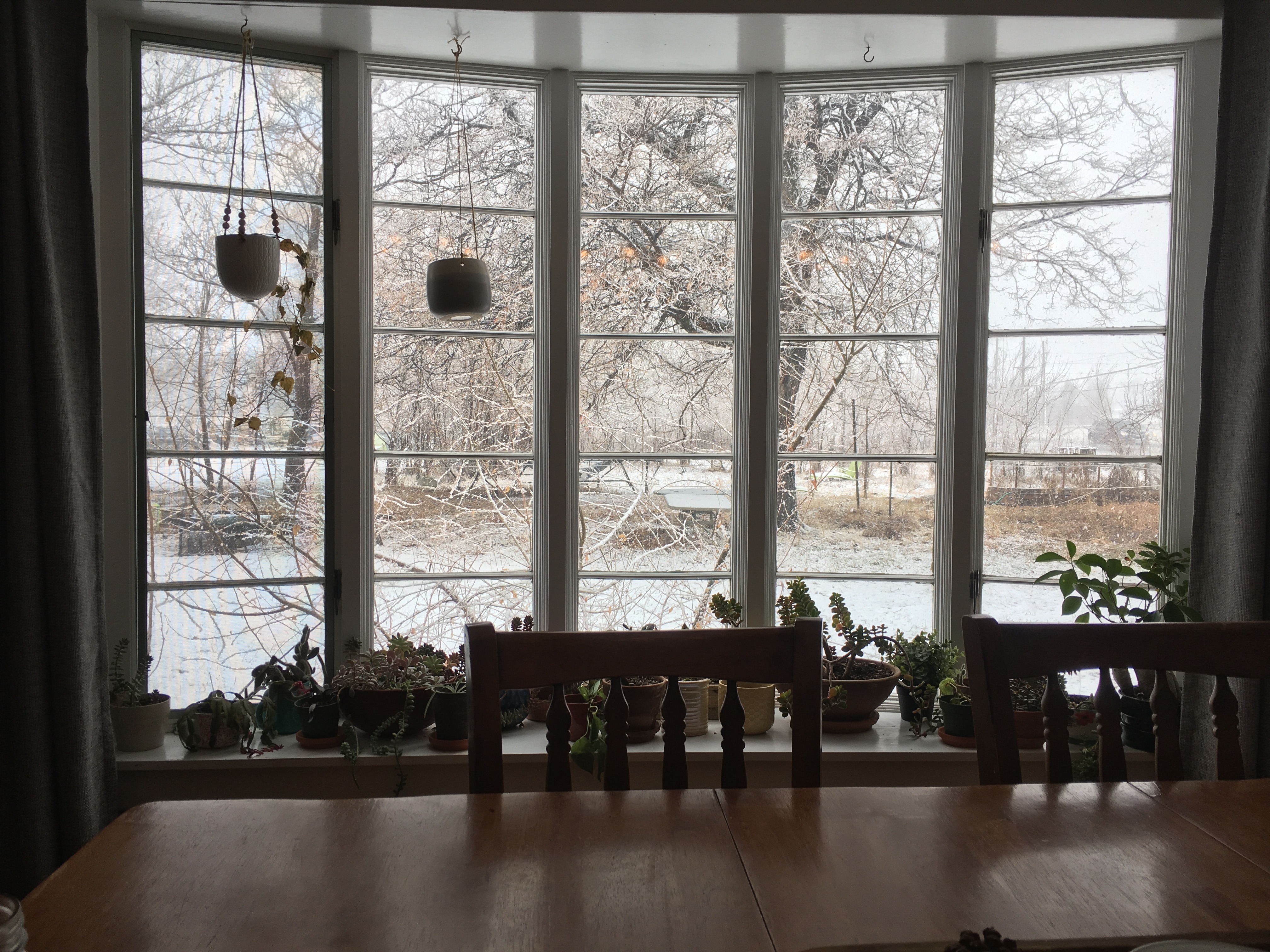
I sit next to a lovely window on the last day of my writing retreat pondering the snow blowing sideways as the wind carries it drifting across the yard. Someone in the other side of the house where I’m staying strums a guitar slowly. It’s lovely. There were children in that side of the house this morning, running up and down stairs, laughing at times, voices serious at times. There was music, “Hello darkness, my old friend; I’ve come to talk with you again,” mellow and folksy, soothing. There were the sounds of cooking and a family, not a biological family, I don’t think, but a community of selected family sharing breakfast before they took off to do chores on the farm in the falling snow. I sat in my dining room, just on the far side of the shared kitchen door enjoying my solitude and also enjoying the sounds of their community. These disparate moments, their community, my solitude led me to reflect on the importance of connection and aloneness. Not loneliness, but the need I sometimes feel to be alone, to feel my own rhythms, to do things in my own time, not influenced by the rhythms and time of others. Their time together seemed so effortless, so comfortable. My seclusion felt the same.

I learned during my 3-month writing retreat in Florence, Italy, that my creativity is best fed with time away from not only those I love, but basically everyone. I did make two wonderful friends during that time, Emma, a sculptor, and Iris, a barista at the coffee shop I frequented, but our friendships were mostly bounded by Emma’s shop and Iris’s restaurant. When working on my time, my days developed a cadence, a pattern that they rarely have at home in my “normal” life. I rose whenever I awoke, usually around 8 am when construction started on the apartment building across the way. I drew for a while, journaled for a while, walked to a new area of the city, shopped for lunch, returned home, worked on projects until I was ready for dinner and then cooked for myself or chose a restaurant nearby. My evenings were free-form. I strolled the city looking for street art or listened to buskers. I took cooking, pasta making, or wine tasting classes. I often bought a gelato or a cappuccino (or both) before walking back home to read for a while before sleep. Sometimes I went to museums or art exhibits. Sometimes I took short trips outside the city on truffle hunting expeditions or olive oil and cheese tastings. But mostly, I spent my days strolling Florence and soaking in the inspiration it so freely provided. I discovered a taste for Negroni and aperitivo (gin and olives, two things I’d never had a taste for).                                                               

And I wrote. Thirty blog posts in three months. I outlined two books and drafted chapters for each. It was one of the most personally and professionally productive times of my life. Professional productivity is usually something else for me. I never have trouble meeting deadlines for academic presentations, journal articles, or book chapters, although my model typically involves finishing everything in the 11th hour. I’m not a procrastinator, per se, I just process for a long time, then write under pressure. My personal writing is different. Something, like the snow outside, triggers a memory, a thought, an idea, and I write.

Writing, for me, is part of this, but not the whole picture. I live life fully, with activity, passion, engagement, and energy. Often those things are driven by other people and events, often to a beat not my own. I work at the tempo demanded in the moment. I adapt. On writing retreats, I nurture my own pace. I find my own rhythm.

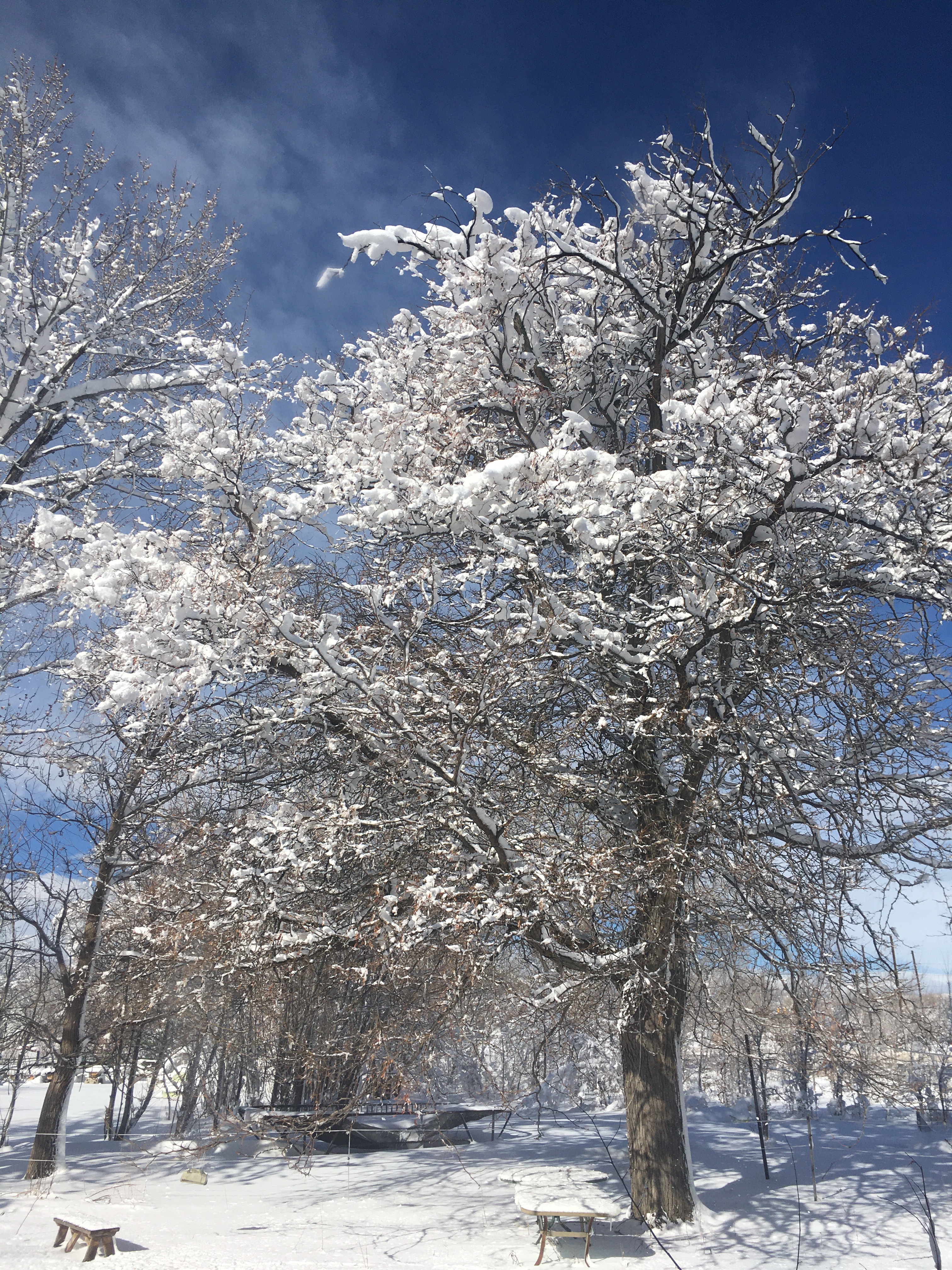
I guess my message is this. We all need connection and aloneness, time to engage outwardly and time to reflect inwardly, and time to create. On this snowy afternoon, I am content to sit by this window, let these words flow from my fingers, and simply be in the moment. Tomorrow I return to the rhythm of my family, of the reality of four people coordinating their lives together. I will miss this solitude. I will return gratefully to the hustle and bustle of my day-to-day life, until the pull for solitude draws me on to my next writing retreat.

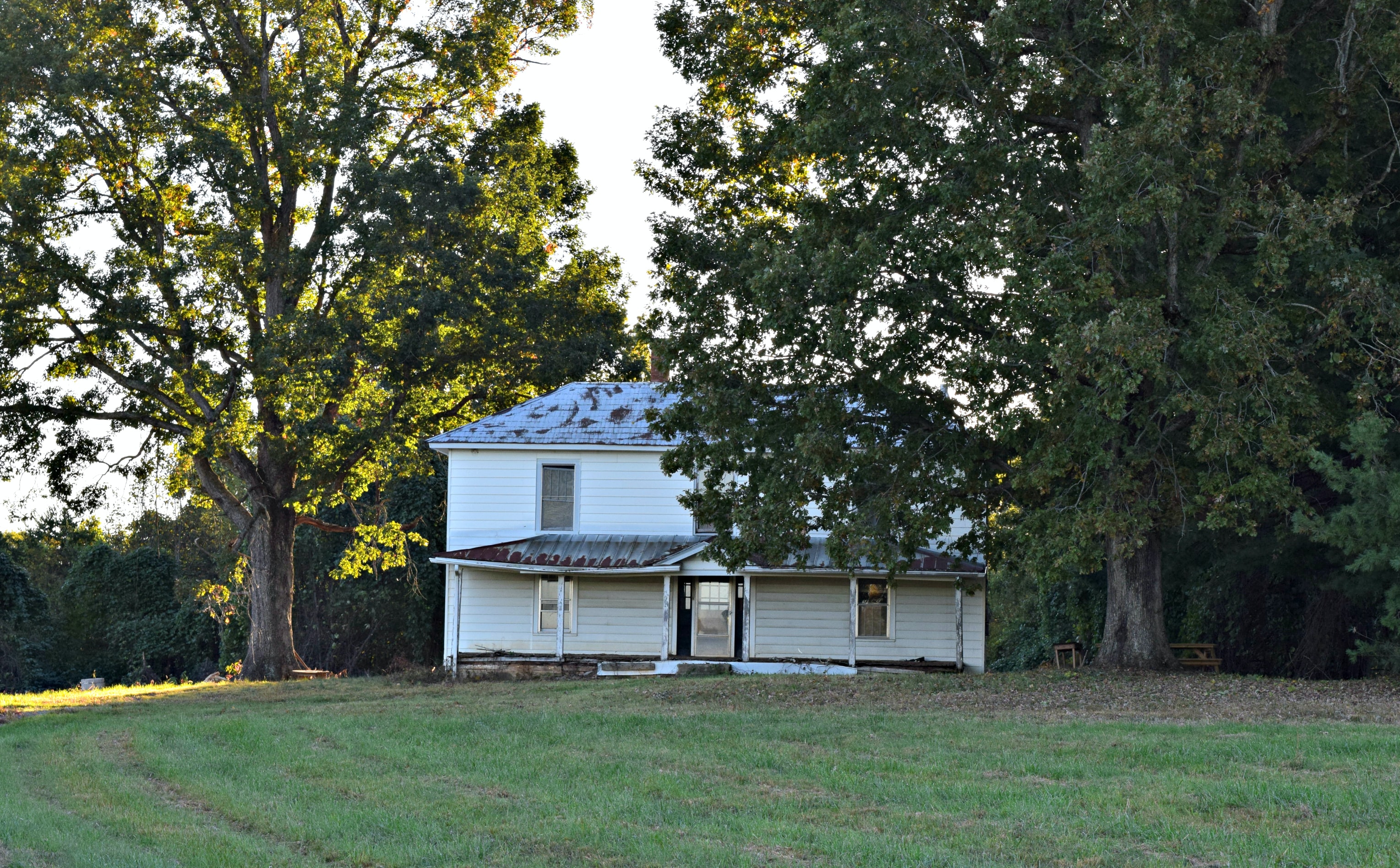
On Horses, Cats, and an Old White Farmhouse

Photo by Bradshaw Speight on Unsplash

Tonight I lie in bed in an 1800s farm house listening to the low, deep hoot of a great horned owl, the insistent back and forth calls of coyotes in the distance, and the sound of sporadic cars driving past on the country road outside. The owl and the coyotes lull me while the road sounds take me back to memories from my childhood, to a time when I was probably 4 years old, to an old white farmhouse on a country road near Mechanicsburg, Ohio. My grandparents lived on this farm, gardened, raised horses, and always had wild cats living in the barn.

I remember the farmhouse, the front door that no one ever used, the door near the kitchen that everyone came and went through. I can’t remember now if they grew crops or not, but I clearly remember the horses. I was captivated by them. Captivated and a bit frightened. I was too young to be around them without adults present and much too small to ride them. Of course, I had ridden carnival ponies, chained to a merry-go-round that listlessly slogged around a circle, heads down, the squeals of delighted children on their backs filling the air. I didn’t feel sorry for those horses, not then, only excited to have a chance to ride them. My sorrow for them came later. But these horses were entirely different animals. They were huge, and beautiful, and strong. They ran in the fields, roamed in the pastures, grazing whenever and wherever they desired. They seemed so free.

Photo by Josephine Amalie Paysen on Unsplash

Once, I was allowed near one of the horses, a big blonde gelding, when it was outside being groomed by one of my aunts. It was special that I was allowed to stay near her and near the horse. My aunt instructed me to stay away from its back legs and to never approach a horse from behind so I wouldn’t risk being kicked. She told me I could lay my hand along its back. The horse was so big, my hand came only part way up its side. I couldn’t reach the top of its back, so I caressed down its left side. I could feel the strong inhale and exhale of its breath, I could feel its contented sighs and nickers at being brushed and groomed. Then my aunt picked up the horse’s right front foot to groom its hoof, and it shifted to the left, right onto my right foot. The pain took my breath away and I couldn’t make a sound. I had no words to tell her that the horse was standing on my foot. I froze, completely still. I couldn’t move. Waves of pain coursed through my foot. Fortunately, the horse quickly shifted its weight and lifted its foot off mine. I moved away, sat down on the driveway and cried, silent tears of relief, pain, humiliation because I knew I wouldn’t be allowed out there again when a horse was groomed if anyone found out what had happened. Fortunately, the only thing hurt was my pride.

After that, I largely kept my distance from the horses, watching them from the safety of the far side of the fence. I was told never to approach the horses, but if they came to me, that was fine. One afternoon I was leaning against the fence separating the yard from the pasture and one of the horses who was grazing in the field came toward me. I wasn’t afraid because sometimes we were allowed to give them a piece of carrot, their soft lips tickling my hand as they took the offering from my open palm. On this occasion, I didn’t have a carrot. I was just leaning on the fence, watching. The horse grazed its way over to the fence and then for no apparent reason kicked me between the rails. It kicked me hard, knocking me off my feet. Again, I was fortunate. Nothing was broken, but I had a beautiful bruise for a while. I didn’t tell anyone about that either.

Photo by Andriyko Podilnyk on Unsplash

To this day, I find horses to be both majestic and mystifying, beautiful and unpredictable. Fortunately, I had better luck with the wild barn cats, especially the kittens. I have always been a cat person. I love cats. One spring, a litter of three golden kittens was born in the barn. We weren’t allowed to play in the barn because there were so many dangerous tools and farm implements in there. But I did have permission to carefully look for the kittens. They were born near the front door of the barn, so if I was quiet and lucky, I might catch sight of one of them. I knew not to scare the momma because she would move them. I didn’t want that to happen. Calmly I would sit outside the barn door on the driveway hoping to catch a glimpse of one of the three. As they grew, they got more curious. I learned to tell them apart. One was playful and confident, interested in everything, curious. A second elegant and languid, slow moving, but aware in its movement. The third was timid and looked for the others to move first. I wanted them to want to come to me. I wanted to pet them, to hold them, to tame them. “Barn cats aren’t pets”, my Grandmother said. I secretly disagreed. My sister got to hold one first. The curious one came right up to her and she picked it up. She and I were both “animal whisperers”, but she was better at it. One time she actually walked up to a blue jay in our front yard and just picked it up. So, I wasn’t surprised when the curious kitten chose to come to her. I was jealous, though, and more determined than ever to entice one of the kittens to me. One day the elegant one strolled near me and laid down in the driveway near my ankle. I reached out carefully, not wanting to scare it away, and it let me touch it. I ran my fingers down the soft baby fur on its back. The kitten let me pet it for a moment, then got up, stretched, and strolled back into the barn. Yes! I was going to stay patient and someday the kitten might let me hold it. The next time we visited, the mother had moved them farther into the barn and we didn’t see them again. Still, in that one moment, the kitten had chosen to me. I felt special.

Tonight, as I lie in bed listening to the sound of cars on this country road, I am transported back to my childhood and I remember another old white farmhouse. We rarely spent the night there, but, when we did, I could hear the sound of occasional traffic on the road outside and the deep quiet of the country. It was so peaceful, the world passing by as I fell asleep. I think I will sleep well surrounded by those sounds tonight.

A Milk Cup, A Whistle, and Love

Grandma, Poppa, and the milk cup

When I was a baby, my first words were “bite butter” and my Poppa cheerfully obliged. When I was a toddler, I had a cup with a bird whistle on the handle that said “WHISTLE FOR MILK.” I loved that cup and blowing the whistle made me break out in peals of laughter. When I blew the whistle, my Grandma would scurry over to my highchair (I was only allowed to have the cup in my highchair.) and pour a little milk in my cup. Once I drank the small amount of milk she gave me, I’d blow the whistle again and she’d give me more. This went on until I’d had enough milk. Each round accompanied by my squeals of delight. Once I’d drunk my fill, I would stop blowing the whistle. Grandma would look at me expectantly and I’d shake my head. It became a game for us.

Clearly, my love of dairy started young. This story isn’t about that, though. This story is about love and the painstaking task of putting that cup back together again. Sometime, I don’t remember when, the cup was broken. I probably dropped it. I’m sure I was crushed. I likely cried as only a brokenhearted toddler can. 

Someone, I don’t know who, took the time to painstakingly glue the pieces back together, even the very small slivers. My Mother, who kept the cup for me for years, says she didn’t do it; she says my Grandmother would never have taken the time to do it, and that my Poppa didn’t do it. She has no idea who did. My guess is that my Mother is wrong. I think it probably was my Poppa or my Grandma. But, really, who it was doesn’t matter.

What matters is that today, that cup with its fault lines has pride of place on my desk. I look at it whenever I work. That cup, cracks and all, is as precious to me today as it was when I played the milk drinking game with my Grandma. It’s more precious because someone who loved me, because one would only take on this effort for someone they love, took the time and demonstrated the incredible patience necessary to glue the cup back together again. When I look at that cup, I know I was loved. Bonus, I can still blow the whistle, but now the milk is almond milk and I pour it myself.

Forgiveness and Anticipatory Hope

“Forgiveness is giving up the hope that the past could have been any different.” – Oprah Winfrey https://chopracentermeditation.com/ *

I don’t hold grudges. I don’t harbor resentments. For much of my life I simply forgave and forgot any transgressions against me – to the point that one night, over dinner, my best friend and my ex-husband recounted all the negative things that had happened to me since they’d known me. When they recounted the events, I knew they had happened, of course. I just didn’t value them enough to remember them. I might not even have been able to recount them without their prompting.

What I do hold onto is what I call anticipatory hope. Anticipatory hope is my belief that the bad, the negative, the hurtful, the lack in my past could have been different, if people had made different choices. Because I believe these alternative choices were possible then, I believe they remain possible in the present and in the future.  

In a recent conversation with my daughter about an upcoming event we were both dreading, she was lamenting all the negative things she expected. I was trying to lift her spirits talking about how this time things might be different. Alyssa paused, looked me full in the eyes and said, “That’s your problem, Mom. You always look on the bright side. You always believe people can be better, that they will be better. When they don’t, when they act like they always act, you feel let down and hurt. That’s the downside to you always having this anticipatory hope thing. It’s exhausting. You’re not realistic.”

Alyssa in her blunt, no-nonsense way had really hit on something. I’ve always viewed my anticipatory hope as a strength. It helps me be optimistic, remain positive in difficult moments, see possibilities.

Because I believe that anything is possible, that anyone is capable of making a different choice at any moment, it is hard for me to release those in my life who repeatedly choose to be other than who they have the capacity to be – to be honest, those who are damaging to me. More importantly, I hope they will treat me differently than they chose to treat me in the past.

When I first heard the meditation at the opening of this post, it was as if I had been punched in the stomach. Sometimes truths are so profound that when confronted with them, they change something immediately and fundamentally. Sometimes they are the catalyst for a more gradual transformation. For me, this truth was both.

I listen to these meditations to help me sleep. After hearing this statement, I knew there would be no sleep that night.

I turned to my journals for insight and realized I had been writing about the same issues for 1, 5, 10, even 20 years! My anticipatory hope made it impossible for me to let go, to move on.

I believed I had forgiven. But in the same way that holding grudges, harboring resentments, not forgiving, keeps us from releasing the past and moving forward, anticipatory hope does the same. Because I held onto anticipatory hope, I had not released those I needed to release.

I am still a work in progress. Releasing the “what could be” is hard. It’s a desired future we hope for. It holds us bound to the past, hauling the weight of the past into the present and the future. Releasing that burden. Releasing those who are not who we wish they were (which, to be honest, is not their job in the first place) is true forgiveness. And, in the long term, a gift to them and to me.

* 21 Days of Meditation – Finding Hope in Uncertain Times

A cherished holiday tradition and an invitation to share one of yours

IMG-0684

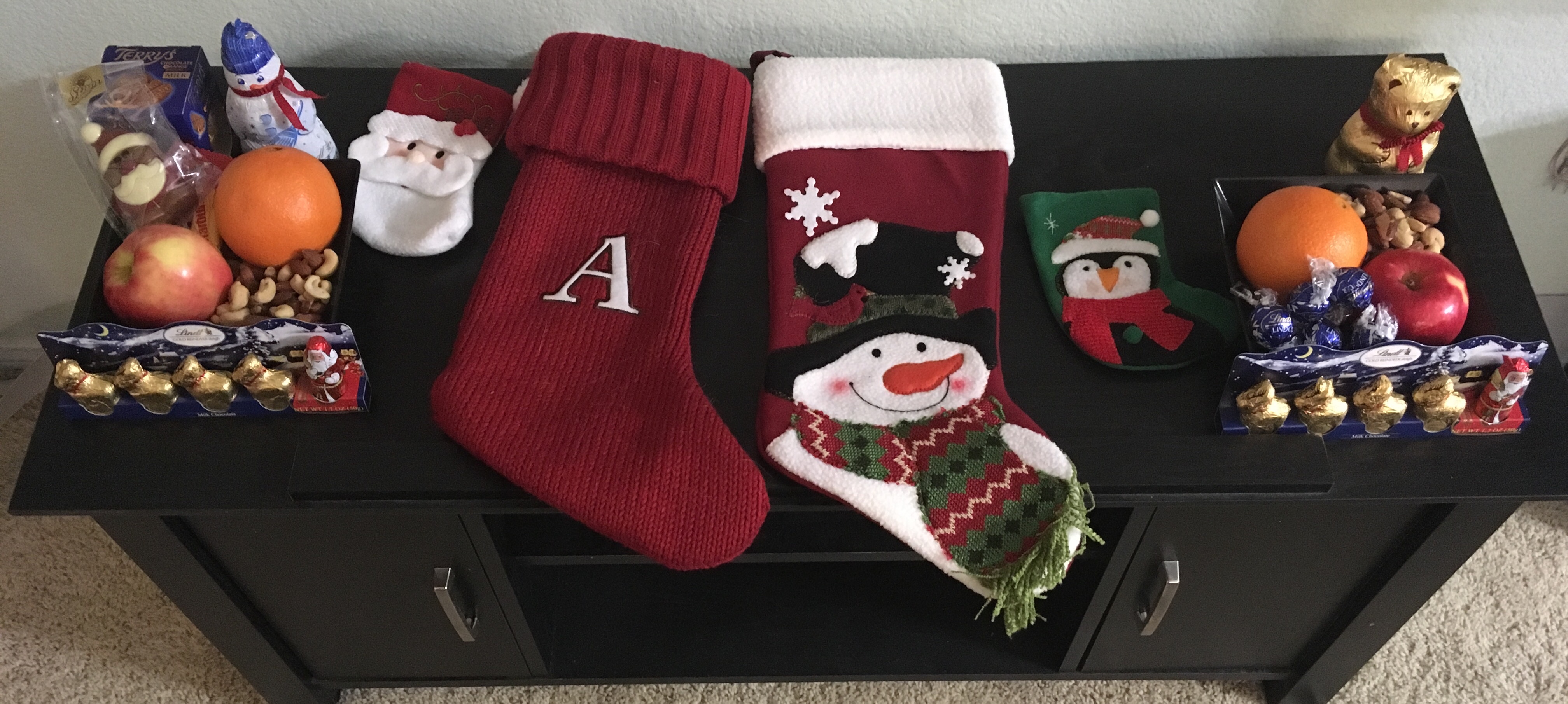
Holidays are very important to me. They are a time for family, friends, community. For me, they are a time to reflect, for 2 solid months on the gifts I have been given in my life, the blessings, the joys, and a time to plan for what comes next. They are also a time for traditions, both new ones and those that connect us with generations past. I have a number of new and old ones that I have shared in my family. I thought through this post I would invite you to share your favorite holiday tradition as I share one of mine.

The story of the Christmas bowls:

In the early 1900s, when my Poppa, Lee Anthony Pence was a boy growing up in a small Indiana town, “exotic” fruits like oranges were a special treat because they grew either all the way west in California, or all the way south in Florida. Apples were plentiful in autumn and many families kept bushels of them in their root cellars to eat throughout the winter, while others were boiled with sugar into applesauce and canned to enjoy year round. Peanuts were also common, but pecans, almonds, cashews, and Brazil nuts, were rarer. Candy was a special treat. Allowance was earned once a month, typically a nickel or a dime at a time and often tied to the accomplishment of chores.

A tradition in our family for four generations has been that on Christmas morning we awake to bowls under the tree, one for each person. The bowls contain an apple, an orange, some mixed nuts (they used to be in shells, but now I use unshelled ones), and candy. The traditional candy was colorful ribbon candy and sugared orange slices. Now I try to personalize candies to the preferences of each person for whom I (and my elves) prepare a bowl.

The surprise at the bottom of the bowl is a coin, to represent prosperity and good luck in the new year.

Sharing this tradition with my children and other family members helps me feel close to my past, to my Poppa, and creates a continuity across generations that I cherish. Do you have a cherished holiday tradition? If so, please share it in the comments below and keep this conversation going.

Happy Holidays!

Merry Christmas! 🎁🌲❄️⛄️🎅