Category Archives: Uncategorized

Celebrating a perfect day: Simple pleasures, joy, and laughter 

Sometimes perfect days happen with a lot of fanfare – celebration, music, good food, maybe some dancing, people coming together to honor a special occasion. A marriage. A graduation. A new job. A new baby. Celebrations that recognize major life events.

Sometimes perfect days are so quiet and calm and beautiful that you can miss them if you aren’t paying attention. Sometimes they’re about what you’ve done or will do. Sometimes they’re about just being in the precious moments. 

I just had a perfect day. There wasn’t a lot that was extraordinary about it. It was just time spent getting little things done and also just being. 

I woke feeling strong and grounded. I was going to start my walking plan so I went out for a relaxed, leisurely walk. I didn’t have any distance or time plans. I just wanted to walk as far as I was comfortable and then come home when I was ready. I walked .97 miles. I know for someone who used to do 6 miles a day that’s not a lot, but I felt powerful. I haven’t walked much by myself at this point. The distortion in my vision caused by the winkle in my left retina and everything I’ve gone through with the breast cancer, diagnosis, surgeries, and recovery have kind of put me off my balance game again. But this morning, I had it. I felt so free and it was so lovely outside. 

I exited the condo to birdsong. I felt like I was being greeted and welcomed back into the world. Hummingbirds, mourning doves, and pigeons were the most vocal. But there were also robins, thrushes, and blackbirds raising their voices on this glorious morning. A neighbor was drying laundry and I could smell the warm, slightly scented air of fabric softener. I’ve always loved that smell. Snapdragons, pansies, and roses delighted my eyes, as did the xeroscape landscape with cacti and rock gardens throughout the complex. I was fully present in the moment and I loved it. 

When I came in from my walk, I made my breakfast shake and sat down to wait for sales people to come and talk with me about flooring for our condo. We’ve been trying to get new floors in our condominium since before we moved in. It’s been a challenge because of HOA regulations. We’ve researched multiple places and just couldn’t find products that met sound requirements. Without much hope, I contacted a place that was having a great promotion, explained my needs, and requested that they only send samples that met the HOA requirements. And they did! I had 11 samples to choose from, all of which met the requirements. That was a delightful win! 

Then Andrew and I went out to one of our favorite hangouts for lunch, talked, laughed, and played games together on his phone. It was lovely, a playful, happy time together. 

Then we decided to get psychic  readings done. I got them for Andrew for his birthday. It was fun. I liked how the reader saw Andrew‘s and my connection, our individual strengths, and the power of our relationship. While I was getting my reading, Andrew went to a popcorn store nearby and surprised me with my favorite popcorn – part caramel corn, part cheddar cheese. I learned about this combination years ago while in the Chicago airport heading to an academic conference. A friend recommended it to me. Yum! Then Andrew took me for a custard at an old-fashioned ice cream parlor. It felt like the sweetest mini date! 

We do wonderful, joyful things together all the time. But sometimes it’s really cool just to make it a date and to say that’s what it is and just do little things where we’re 100% focused on one another and ourselves. It was really special! 

After we got home, we snuggled and watched silly TV for a while. It was such a delightful way to end the day. I love how easy and open and connected we are. Andrew works at 4 AM, so he goes to bed early. I never want special days to end, so I stay up late. I found myself not wanting the day to end, so I got up to game with Stef. My son is my late night WOW partner. 

What a wonderful day of little moments and just being together, of being fully present. Sometimes perfect days aren’t made up of fanfare and celebration. They’re made up of simple, quiet moments of connection and love. 

Reflections on the slog that is cancer recovery on a beautiful autumn day

When I started my breast cancer journey, I promised to be open and transparent about all of my experiences. The last few months I have been uncharacteristically quiet. The reason is that this is a truly difficult experience.

But let me set the context first, I literally could not have had better outcomes. After my double mastectomy, test results indicated that they got all the cancers with clean margins and no lymph node involvement. My oncotype score, which indicates the likelihood of cancer recurrence, is very low. I didn’t need chemo or radiation and I only have to take aromatase inhibitors for five years. If I don’t take them, there’s a 5% chance that the cancer may come back in the next nine years. If I take them for the full five years, there’s a 3% chance. I could not ask for better odds. 

That said, this is a slog. I am very aware that other people’s experiences and outcomes are  harder and more difficult than my own. I feel for them, and I wish them success in their journeys. 

I’ve come to realize that no matter whether you are on the worst end of the spectrum or the best end of the spectrum, this journey should not be about comparison and it’s difficult regardless. The fight for life from cancer is always a big deal. It’s clearly a big deal at the worst of times. In my case, it’s also a big deal at the best of times. After my first surgery, I had a lot of pain and recovery was difficult and complicated. I was in the hospital for three days for what was supposed to be an overnight visit because they could not get my pain under control. This was largely a matter of nursing staff not being concerned about being timely in the administration of pain meds. Unfortunately, when you break the cycle of pain medication, you have to start over.  My worst pain was searing pain across my back from my right side around to the center of my chest on the left. I wrote about this pain in an earlier post. I defined this pain as a red fire dragon. It stayed with me for months. In addition to that, my whole body ached. Everything hurt. 

Over the next 6 weeks, I slept a lot both to manage pain and to deal with the reality of what I had gone through, what felt like a betrayal by parts of my body I had valued. I also wrote about this in an earlier post about saying goodbye to my breasts.

I couldn’t lift my arms for weeks. I also wasn’t allowed to shower for a month. That meant that my husband had to wash me, dress me, brush my hair, brush my teeth, anything that needed to be done with my body, I needed his assistance. The only way I could leave the hotel was in a wheelchair and the only walking I was permitted to do was from my bed to the door of the room and to the bathroom. And I wasn’t allowed to do laps. 😊 My doctor figured me out pretty quickly. He knew that I would push to recover as quickly as I could. As it turned out, there was no quickly. I couldn’t push. I had to give my body the time it needed to recover and heal.

I’m lucky. My husband is so loving, compassionate, and caring, he could not have made me make feel more comfortable and loved throughout this adventure. 

Following my reconstruction surgery, the pain has been less, but the side effects from the aromatase inhibitors, the meds I have to take for five years, are intense.

I’m tired all the time. I have a pretty constant headache. My body is fatigued. I’m nauseous a lot. I have joint and muscle pain. And while I am in less pain, it’s somewhat more frustrating because I feel that I should be able to do more. My biggest lesson on this journey has been patience. I need to give myself grace as I go through this process. 

No. I’m not my usual self. I’m more focused inward than usual, but that’s necessary. I reach out when I can, but that’s much less than usual and that’s one of the most difficult things for me to accept. I know that I will be myself again. It hasn’t even been six weeks since my second surgery and I’m still healing and on modified house arrest. I am allowed to go out and walk a bit, but I’m still wrapped and wearing binders, until next Tuesday.

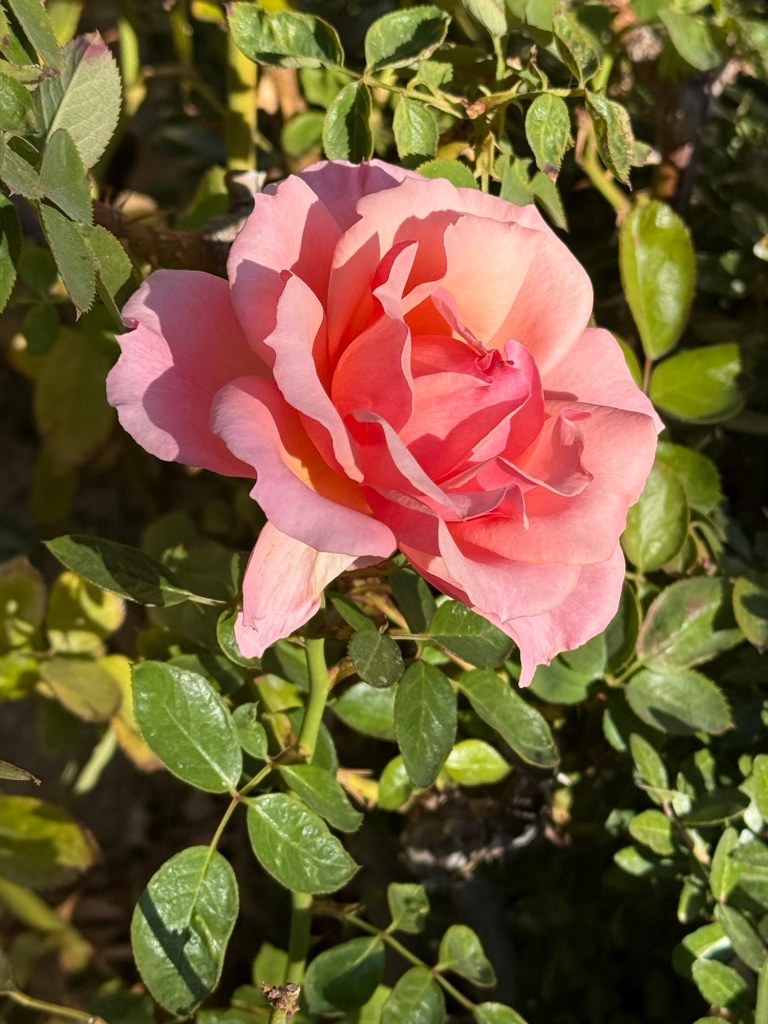
I’m an optimist. Yesterday my husband took me to my favorite Rose Park. I walked a bit, but mostly, I just sat and breathed in the sunshine and the beautiful Vegas, autumn weather with my favorite seasonal Starbucks beverage. As usual, I came home and took a nap. I will get through this. 

To anyone else who is on this journey, the most important thing I have learned is that there is no roadmap for cancer recovery. I have looked for one almost nonstop. I find myself wondering if what I’m going through is “normal”. There is no normal. Listen to your body. Stay patient. Give yourself grace. Notice the beauty around you. Breathe. 

Playing with the portrait function on my new phone

On mermaids, sirens, song, and voice

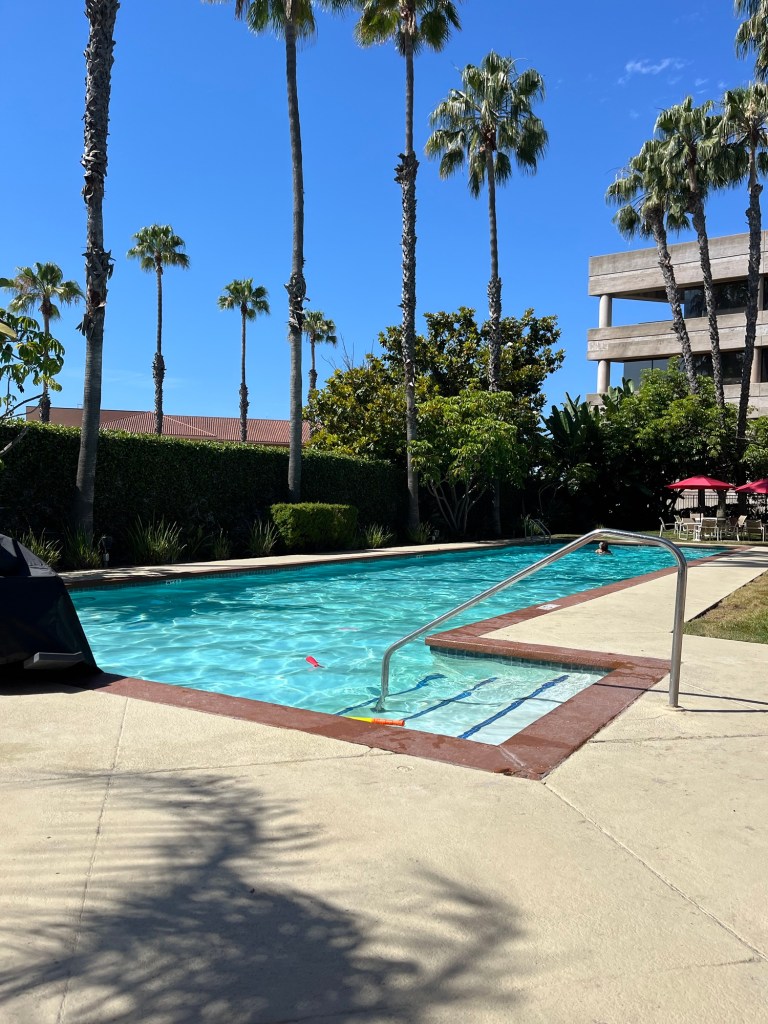
Today, I’m thinking about simple moments. Earlier, I was sitting out by the pool at our hotel, my first time doing that. I was alone for about 20 minutes and it was delightful. I was enjoying the gentle breeze, sitting in the shade on this lovely sunny morning. I was enjoying just being in the world.

A woman came out to the pool, smiled at me and chose a lounge a bit away to sunbathe. I was sitting at a table with an umbrella. Shortly after, six young women, I would say about 15 years old, tumbled through the door laughing and talking. They immediately dumped their towels and coverups on a lounge and jumped in the pool still laughing and talking. I don’t know if they were siblings, close friends, or a combination of both. I do know that they were very close and very engaged with one another.

I sat there and just appreciated their joy. Then they started playing the most hilarious game. They broke into two groups. One group was mermaids, and the other group was sirens. A girl in the mermaid group started singing. A girl from the siren group told her she was not allowed to sing that song – she was a mermaid, and that was a siren song. Sailors could crash on the rocks if she sang that song near them. The girl replied “my mother sang this song as a lullaby to me as a child. I can sing this song.” And she resumed singing.

Not only did I find their play, their imaginations, and their creativity delightful, I found that statement, that claiming of voice, that claiming of song incredibly powerful.

There are so many lessons in the simple moments, the importance of camaraderie and connection, the importance of communication and joy, the importance of play. The most powerful message I took with me, though, was the message that we need to claim the right to sing our own songs unapologetically and with gusto. I hope you sing your song today.

My breast cancer journey: Operating day – double mastectomy – May 8, 2024

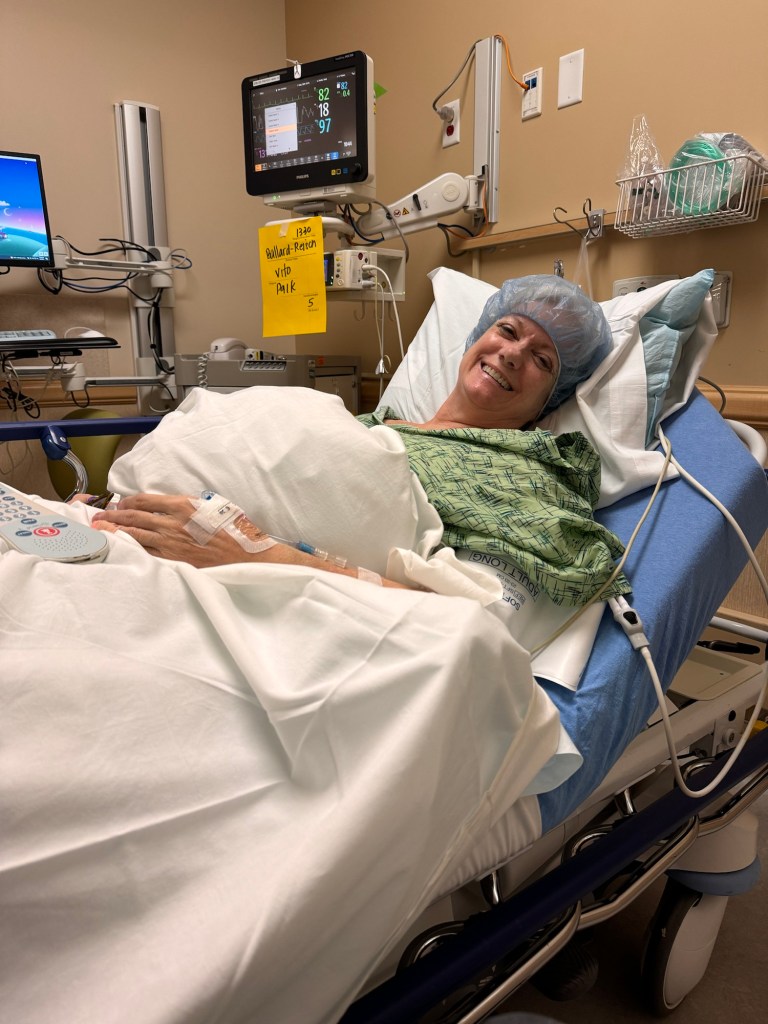
I was rolled in for surgery a little before 1:30 in the afternoon on May 8. I handled everything well that morning, having radioactive dye injected into my breast, meeting with Dr Vito, my cancer surgeon, and Dr Lin, my plastic surgeon, having an IV port put in my hand, talking through anesthesia and discussing how I often respond to it with Dr Paik, having my vitals checked, having the contour of my breasts traced with magic marker, keeping a stiff upper lip.

I was focusing on the moment, staying calm, and keeping it together.

Once I was rolled into the operating room, that changed. I was overcome with fear. I felt total terror. I had no control over what was going to happen to my body next. I had no control over what the pathology results were going to be. I wanted to run. Of course there was nowhere to run. I couldn’t run away from the parts of my body that were not functioning in a healthy manner. But I desperately wanted to run.

The OR team was attentive and kind. They saw the shift in my facial expressions. They saw my eyes fill with tears. They looked me in the eyes, stroked my hand, talked to me, and helped me relax a bit. They gave me oxygen and started the anesthesia. I relaxed as the medication took hold and closed my eyes to the sounds of 80s music playing in the operating room.

Continue reading

An Ode to My Breasts on the Day We Part

Today we must part. I have loved you, appreciated you, marveled at you, been irritated and frustrated by you. Our relationship has definitely been a complex one. But now that you have decided you want to try to kill me, we have to part ways.

I wish you well in “boob Valhalla”. We must continue our journeys apart. I will continue my long happy life without you. I have conflicting feelings about this. I keep joking with Andrew that we can run away to Mexico rather than have the surgery to remove you today, but that would not really be productive. I can’t run away from you.

As I was growing up, you were very small and I was very self-conscious about that, especially as everyone else around me had larger breasts. A friend in college noted my discomfort when someone made a joke about me being flat chested. He pulled me close and whispered in my ear, “more than a mouthful is a waste.” I found that comment both titillating and empowering (pun intended). After that I held you, my tiny perky breasts with pride.

You fed my son. Nursing him was the most amazing experience. To be able to give a baby who had come from my body sustenance – from my body was so special and precious. I loved the end of the day when I rocked him in the rocking chair and nursed him before he went to sleep. I didn’t like it so much when he started biting you. That was when I knew it was time to stop nursing him. Similarly, I know it is now time to release you.

You were tiny and perky until after Alyssa was born and I loved nursing her too. The intimacy and connection that I felt with her was incredible and in the rocking chair at night, feeding her one last time before she slept, I found bliss. It was a precious part of my day. Yssy loved nursing. I think she would’ve nursed for a lot longer, but I had to go on a trip. Stopping nursing her was difficult. It made me sad.

Removing you today is difficult. It makes me sad.

An unexpected positive side effect was that I kept my nursing breasts and suddenly I had a respectable chest. I have loved my breasts in terms of size and shape for 30 years because that’s how long I’ve had you.

You have been part of my self image, and a precious part of my sensual and sexual life.

Today, though. It’s time for me to release you, to set you free. We no longer have anything to offer one another. I am simply not willing to give a blood supply to the cancer you’ve decided you want to grow, although I have loved you, you are no longer part of my life.

Thank you for all you have done in my life. I wish you speedy travels.

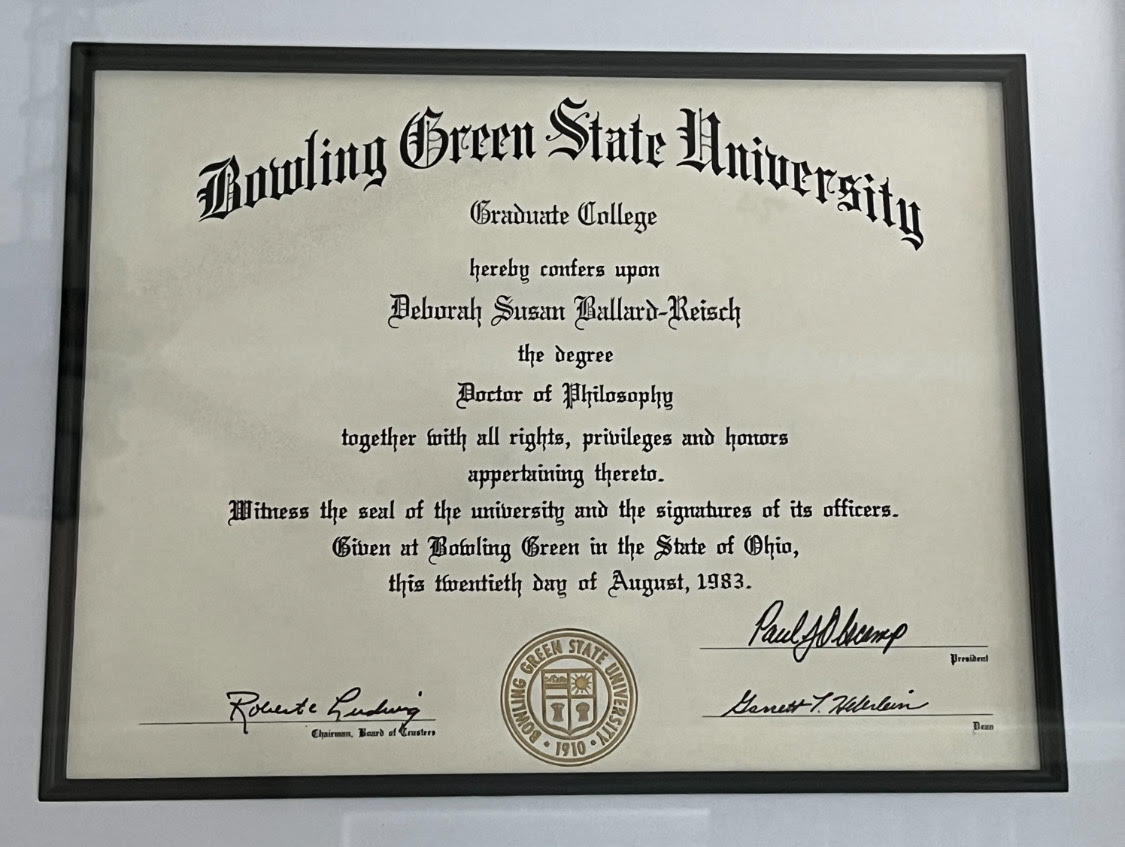
On Conquering Graduate School: Coq au vin, Support, and Quitting (temporarily) as Survival Strategies

This is a love letter to graduate students trying to get through your masters thesis or your doctoral dissertation. I know the angst you are feeling. I know the frustration, despair, fear, anxiety, and desire to just quit the whole thing and walk away. I also know the desire to be done, to claim the credentials, to step into your credibility, to move into the world as an expert. I’ve had all these feelings and so many more.

I want to encourage you to stick it out. My example may give you some solace in the rough moments. I wrote my masters thesis using a typewriter. I hired a typist who was my partner in crime throughout the entire process. To this day, I am eternally grateful to Rick Soller for the role he played in my completing the process. I put all of my blood, sweat, and no small amount of tears into that project. After my oral defense, my committee wanted me to change six paragraphs. Six.

I had had enough. As I walked home from my oral defense, I reminded myself that I didn’t have to prove anything to anyone. I didn’t need to get a masters degree. 

And I quit!

When I got home, I put all of my work into boxes and along with the typewriter, put everything thesis related in the basement of the home I was living in. I told my roommates and my typist that I quit, and we celebrated with wine and coq au vin. After dinner, we went outside and played in the rain. It was so liberating! To this day, that was one of the most glorious meals of my life and one of my most memorable days. I was free! We laughed and played and drank and ate. It all felt so good! For six glorious weeks, I did nothing. I didn’t think of academics. I didn’t think of myself as an academic. I didn’t think of my thesis. I had quit. 

Toward the end of that six weeks my typist, Rick, came to me and said, “You know, we’ve put a lot of time and effort into this, why don’t you just finish it. It’s six paragraphs.” He made sense. He helped my lug my boxes and my typewriter from the basement back upstairs and we reclaimed our space in my largely unfurnished, dining room, and in one afternoon, with Rick’s typing support, I finished my thesis. 

You already know this, but in case you need a reminder, you are on a unique path. According to US census data, only 1.68% of the adult (25 and over) population in the U.S. (2.5 million people) have PhDs. An additional 1.48% hold JD, MD, DVS, EdD, and other doctoral degrees. That means that a total of 3.16% of the total population (fewer than 5 million people out of 342 million) can be referred to as doctor. The average age of a PhD graduate is 33. Only 12% of the US population hold a masters degree. 

No matter how you look at it, your earning these degrees puts you in a very exclusive group.

What I learned from my masters experience was that I would likely hit the wall during my doctorate. And hit the wall I did, hard! I don’t remember what the tipping point was. I do remember how incredibly sure I was that I was done. I hated my dissertation at that point (even though I loved it, and was doing exactly what I wanted to do). I didn’t want to think about it, see it, or deal with it. This time I closed everything into the second bedroom of our apartment and forgot about it for two months. I had recently been married, and I asked my husband, Bob, not to mention my doctorate or my dissertation.

I quit!

Bob knew the story of my masters experience, so he didn’t protest. This time I knew the likelihood was that I might come back and finish, but I needed a break. I needed the dissertation out of my head. I needed it out of my sight. I needed the freedom of not having it hanging over my head. For two lovely months, I soaked up the sun by the pool, read trash novels, and reminded myself how to breathe.

After two months of freedom, I was ready to pick it up and finish. I had wanted my doctorate. I had wanted to be a university professor from the time I was a child. It was a dream I was not willing to part with, even though the process was exhausting, and I felt that I was undergoing hazing to get into an exclusive club that I wasn’t really sure I wanted to join. 

In both cases, I was smart enough not to tell any of my professors or my committees that I quit. As I saw it, that wasn’t their business.

As I saw it, when I became a professor, I would have the opportunity to do things differently with my students. And I believe I have. I try to be a supportive, nurturing, mentor, who will be by your side, and do whatever it takes to get you done. That said, I am also demanding. But those things are stories for other days. 

What is my message for you today? 

  1. There will come a time when you hate your thesis or your dissertation and you don’t want to finish.
  2. There will come a time when you’re not sure all of this hazing is worth it.
  3. There will come a time when you need a break. It may be for one day, six weeks, two months, or much longer. It’s OK.
  4. It’s worth it! I have lived a wonderful life following the career of my dreams. I believe I have made a positive difference in an immeasurable number of students’ lives. It’s not all sunshine, lollipops, and rainbows on the other side, but it’s the best career I could have imagined.
  5. Lean on your supportive tribe, the ones who will both accept you, and when the time comes to put your nose to the grindstone again, encourage you to finish. Getting a graduate degree is a marathon. It’s not a sprint.
  6. And finally, I’m here for you. If you need support reach out. I’ve got you!
  7. Most importantly, you’ve got this!

Onward!!! 

Managing sadness, boredom, loneliness and depression as I heal from injury: Focusing on beauty, breath, and magic

When I’m down, one of the most useful exercises I’ve found is to look around me for something beautiful. Then I concentrate on that beauty, breathe into it, and ground myself.

The last 6 weeks have been hard. My favorite thing about myself is my optimism. I typically don’t let things get me down, at least not for long. My optimism and my ability to stay positive have been sorely taxed by my current predicament.

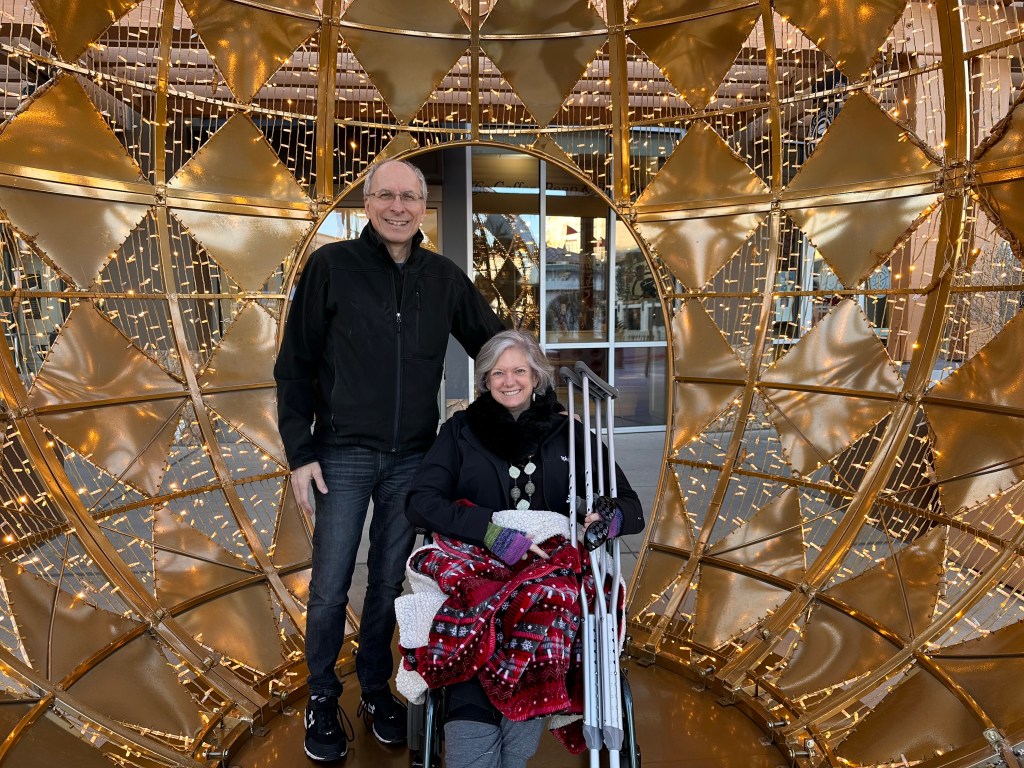
Because of the nature of my injuries, I am largely immobile. That means I’m alone much of the day while Andrew works and either on the couch or in bed. That also means I’m by myself. I can’t work on the computer long because the neon silver streaks and distortion in my eye cause blazing headaches and even blue blocker glasses don’t help. I have better luck with my phone but find correcting voice notes annoying and typing with one finger tedious.

I’ve been sad, lonely, depressed, and bored. I cry, a lot.

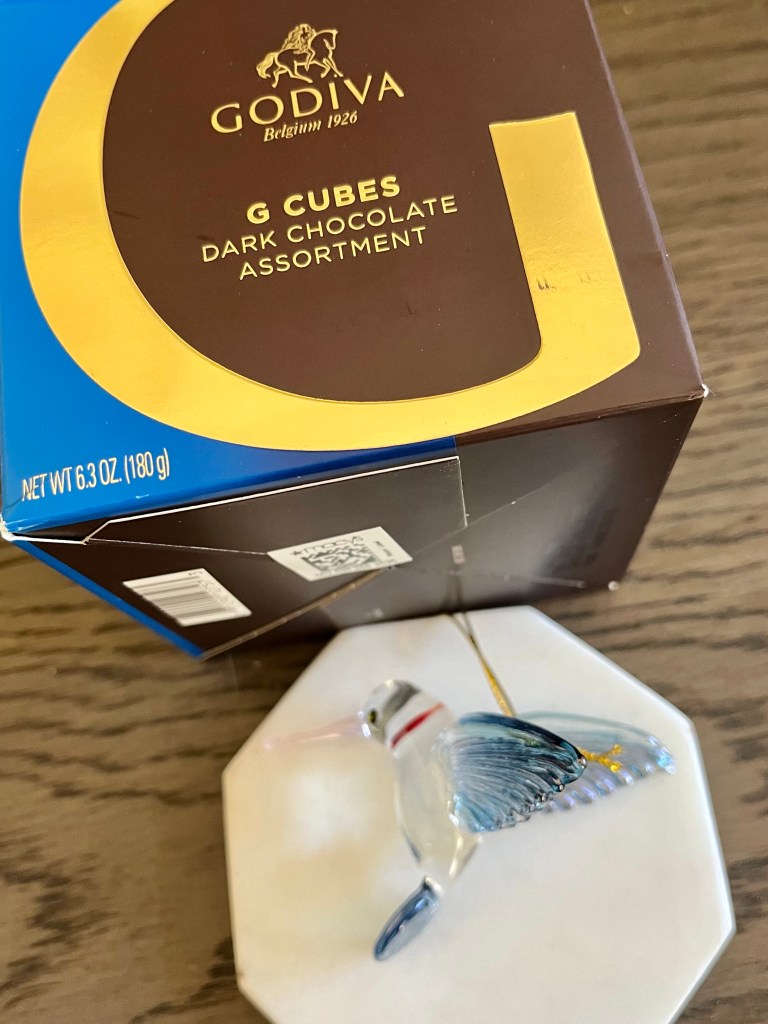
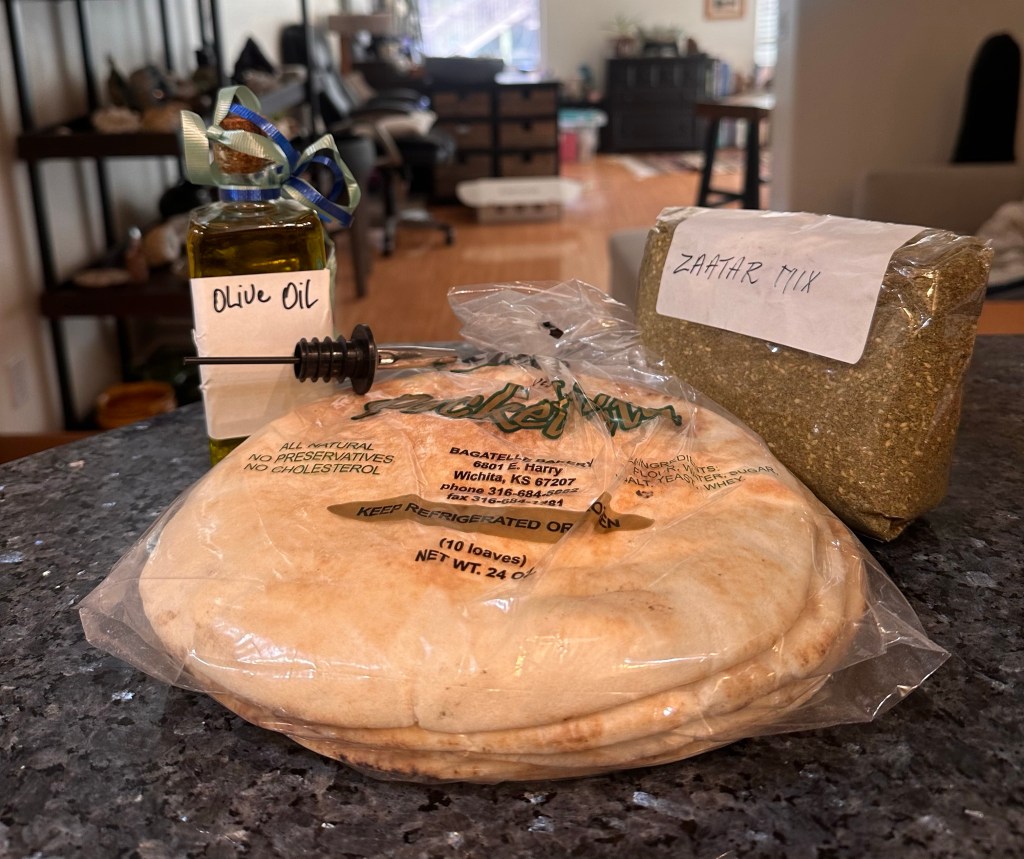
Then, out of the blue, chocolate covered strawberries, my favorite Starbucks drink, flowers, soap, lip mask and lip gloss, a lovely glass hummingbird, tea, chocolates, zatar seasoning, pita bread, and olive oil, or a DoorDash gift certificate arrive. My daughter, my son, a friend calls or texts at the perfect moment. Andrew takes a break to chat or just wrap me in his arms. I am reminded that I am loved, that I am connected.

Closer to home, a wheelchair has allowed me to go out and enjoy Korean BBQ with my daughter and lovely quick or quiet and relaxed dinners with my sweetie, as well as trips around grocery stores, Costco, and our local outdoor mall.

The slog isn’t over, but things are getting better. The surgeon estimates that the gas bubble in my eye will dissipate fully sometime within the next three weeks. That will stop the ongoing game of Pong in my eye that has constantly undermined my balance. It looks like in the spring I will probably need another surgery to remove scar tissue from my retina (which resulted from the first surgery and which is distorting and blurring my vision – think fun house mirror). I don’t know how much vision I’ll ultimately get back, but I am hopeful. I still don’t know what my knee will require to heal. I see a doctor in January. I hope this time in a brace with crutches will allow it to heal on its own. It is feeling better and I’m much more self reliant.

In one of his classes, Vishen Lakhiani of Mindvalley recommends ending every day by taking note of at least 3 moments of magic that happened during the day. This exercise and mindset help me balance and move forward.

These practices remind me that no matter what is happening in my life, I am always surrounded by beauty. There is always magic to be noticed and appreciated. There is much to be grateful for.

I have to admit that some days are easier than others. Some days it’s difficult to see the beauty, to find the magic, or to feel the gratitude. On those days, flowers, chocolate, the softness of my cat’s fur, a hug from Andrew, or a conversation with a friend or loved one help. Some days I just have to sleep on it and hope that the next day will be better.

Mom, Competitive Forensics, and a Saturday Surprise at Wright State University

I stood at the front of the room ready to start my speech. Then I paused. “No. No!”, I thought!  “Excuse me, may I have just a minute”, I asked the judges. “I’ll be right back”, I said, rushing from the room without waiting for an answer. I went out in the hall and found her. I grabbed her hand. “Come on”, I said. “Come now. I’m ready to start.” “I don’t want to make you nervous”, she said. “No. It’s OK. I want you to be there.” We hurried back into the room; I walked to the front, took a deep breathe, and started.

I don’t remember the actual question I was supposed to address, but the speech had something to do with Spain. It was my last extemporaneous speech* at my last regular season high school forensics competition, and my mother had driven from Urbana, Ohio to Wright State University in Dayton to surprise me. She wanted to hear me speak.

For four years she had watched me leave on Saturday mornings and some holidays to compete in forensics tournaments around the state and in neighboring states. This was the first time she had come to one of my tournaments. Parents rarely did. No one typically watched these rounds of competition, just the participants and the judges. This was the first opportunity she had to hear me speak. Because it was so unexpected, I was apprehensive at first. I was surprised she was there and honestly thrown a little bit off balance.

I had made the final round of girls extemporaneous speaking**. I was concerned I wouldn’t be able to do my best with her in the room. I might be distracted, unable to concentrate. But as I stood up there to begin my speech, I knew this was an opportunity that wouldn’t come again. I knew I had to let my mother hear me speak. I wanted my mother to hear me speak.

As I began my speech, I smiled at my mom. Then confidently and with clarity I spoke for 5 to 7 minutes on whatever the question was about Spain. I knew my material. I knew the argument I wanted to make. The words flowed out of me easily. I was good. I was satisfied. My mother got to see a reasonable representation of what I had been doing all these Saturdays for all these years. I was so happy she was there.

I went on to win that tournament. My mom got to see that as well. I competed in Little and Big Districts and placed 2nd in the State that year, but in many ways, the most important speech I gave my entire high school career was the one on Spain in front of my mother.

* Extemporaneous speaking involved preparing a 5-7 minute speech with personal research in 30 minutes on a current events related topic, typically around public policy, global issues, or politics.

** There were separate categories for girls and boys in extemporaneous speaking at that time.

Lessons with Grandma #1: Hair washing, potato soup, and a visit to the ER

On Saturday mornings, when I didn’t have high school speech tournaments, I would ride my bike to Grandma’s house, wash her hair, set it in pin curls, dry, and style it. I loved this ritual. It was my time with Grandma and a chance to show her my love.

Her hair was gorgeous, pure white, fine, and soft as kitten fur. She kept it short, only a few inches long, but rolling thin strips into curls and securing each with two bobby pins took a while.  Once every strand was contained, she sat under her bonnet hair dryer; I would check every 10-15 minutes until it was dry. To check, I’d unpin a curl, unroll it to check for moisture, and re-roll it if it was damp. When her hair was dry, I would gently unpin each curl and run my fingers through it. Grandma didn’t have a lot of patience for my playing with her hair, but she did love the freedom of the pins being removed. When all the curls were loose, I would gently brush and style her hair. Sometimes she had me secure it with hairspray. Other times she just kept it free.

On one Saturday, I was moving a little slowly when Grandma called. Mom burst into my room and commanded “Get up. Grandma needs you. Take the car.” Half-awake I replied, “I’m coming. Just a few minutes. All I have to do this morning is wash Grandma’s hair. I’m just a little tired. Mom.” “She needs you now! There’s been an accident. She’s cut herself.” I leapt out of bed and threw clothes on as fast as I could. “Take the car”, mom demanded, throwing the keys to me. I drove the 6 blocks to Grandma’s house as fast as I could. The 3 minutes it took to get there were interminable. I parked along the side of the house, leapt the curb, ran up the steps, and burst through the door. I heard water running in the kitchen sink. “Grandma, I’m here.” When I entered the kitchen, there was blood from the table across the floor to the sink, a lot of blood. Grandma was holding her left hand under the faucet. What looked like an impossible amount of bright red blood flowing into the water stream from the deep gash between her thumb and index finger. “I was cutting a potato and the knife slipped. “Ok” I said. “Let’s wash it out with soap and I’ll get a towel.” “I feel woozy, Grandma said. She looked pale and as if she might faint. I gently washed her hand and quickly packed a clean washcloth against the wound, then wrapped her hand and wrist in a kitchen towel. “Ok. That looks deep. We need to go to the hospital. I think you need stitches. Do you think you can walk?”, I asked. “Yes” she replied weakly. We slowly walked through the house, my arms around her waist, her right arm around my shoulder, her injured hand against her chest. Slowly we moved across the living room, out the door, down the steps, across the street. The walk seemed to take so long, and blood was seeping through the hand towel. I gently helped Grandma into the passenger seat. “Lean back, close your eyes, and just rest”, I said as I sprinted around the car and jumped into the driver’s seat.

Grandma had never learned to drive and she was a skittish passenger (at least with me). I drove carefully to the hospital, less than 5 minutes away, (the beauty of living in such a small town), cooing and soothing Grandma as I drove. I pulled up to the entrance, told Grandma I would be right back, and dashed to the door. Two Sisters of Mercy in mid-calf white habits with short white veils that held their hair back from their foreheads were at the front desk. “Please help me. My Grandma cut her hand and it’s bleeding pretty badly.” One nun grabbed a wheelchair while the other grabbed the phone. We got Grandma out of the car and the nun rolled her straight to an operating room. They got Grandma onto a gurney and a doctor came in immediately. “You should leave, young lady”, he said. “Please let her stay”, Grandma said. “Come over here and hold my other hand”, she demanded firmly. I did. She had bled quite a bit on the drive and the towels were bloody. “Let’s see what we have here”, the doctor said as he unwrapped the towel and washcloth. “You wrapped this well”, he said. “See, it’s starting to clot off a bit, but this is deep and will need stitches. It doesn’t look like she cut anything major, so I’m going to clean this with antiseptic, give her a couple shots to numb the area, then put in several stitches.” Grandma lay with her eyes closed as the doctor flooded the wound with antiseptic. When he picked up what looked like an impossibly large needle, I noticed the room starting to get dark; the light on Grandma’s hand was impossibly bright. I noticed black spots in my peripheral vision. One on the nuns gently put her hands on my shoulders and directed me to a chair. I sat heavily, feeling dizzy. I heard a small crack and smelled a pungent aroma just under my nose. “Smelling salts”, she said quietly in my ear, “You looked a little dizzy. Just put your head down and breathe calmly. This happens. You managed the crisis, now your body is reacting to the shock. Just breathe.”

I didn’t pass out. Grandma got stitches and a white bandage around her hand and wrist with instructions for wound care and rest.

We drove home quietly, content that the crisis was over. I got Grandma into the house and into a chair in the living room, covered her with a blanket, called my mom to let her know what had happened, and cleaned the kitchen.

Grandma told me she had been planning to make potato soup, so I cut the onions and celery she had on the table, and the potatoes she had already peeled and placed in a bowl of water, careful not to cut toward my hand. I even made rivels (flour, eggs, and salt) to boil on top.

I learned a lot in that short morning. I learned I’m good in a crisis; I learned I’m not so good with blood, and maybe most valuable, I learned a healthy respect for vegetables, especially potatoes. I learned to use a cutting board to cut vegetables and never to hold a potato and cut toward my hand. I also learned that with Grandma’s guidance, I make a mean potato soup. We decided to wait to wash her hair until the next day.

My beautiful Grandma Dorothy Catherine Pence (Whalen)

On Fear, Hope, a Bracelet, and Gratitude

Sometimes those who love us see more clearly what we need than we do. Today I write about one of those times. Today I write about fear, hope, and a bracelet that signified both. Today I write about gratitude. This month is the 10-year anniversary of the freak dancing accident that resulted in breaking both of my wrists, triple fracturing my right and double fracturing my left. That accident was in many ways both a blessing and a curse. I learned so much about myself and those I love. I learned that people would be there for me if I needed them. I learned I was safe to be helpless. I learned how to deal with the most excruciating pain I could imagine. I learned to slow down, to be kind to myself, to accept care, to ask for help. I didn’t learn these lessons easily, but I learned them.

Throughout the holiday season, I was working my way through splints, then casts, then braces with increasing levels of physical therapy. For homework, I was playing in a bowl of rice multiple times a day to reduce skin sensitivity and promote flexibility. I was opening and closing wooden clothespins, learning to touch my fingertips to my thumbs, and trying to relearn how to do simple tasks for myself, like feeding myself, brushing my teeth, dressing myself.  

One day, my friend Miche Dreiling brought me a present. It was a small, square box. Inside was a delicate, red bracelet. It was the most terrifying thing I had ever seen. A bracelet! A bracelet? My skin was so sensitive I couldn’t imagine ever being able to wear a bracelet again. Even though this one was so delicate and small, it looked like a torture device to me. I know I looked at Miche confused. “Not for now”, she said. “For later… when you’re healed”. I closed the lid on the box and put the bracelet in a drawer in my hutch. I wondered if I would ever take it out. It became a symbol of fear and hope.

The day I decided I was ready to try to wear it finally came. I was apprehensive as my skin was still so sensitive, but it was time. Andrew helped me put it on. And though I could only wear it for a short time that day, I knew that sometime soon, I would be able to wear it for much longer periods. I knew that I would someday be able to wear all my treasured bracelets and rings whenever and for as long as I wished. That day wasn’t here yet, but it was coming. Today as I reflect 10 years later, I am wearing an iWatch, a wrap bracelet, and 5 rings on my hands. The moment I opened Miche’s gift, I doubted that this day would ever come. Now I don’t think about jewelry anymore. I wear it easily and without pain.  

In all honesty, what at first felt like the most insensitive gift I could imagine became a talisman of hope as I embraced my healing and the belief that I would regain full function and capacity. I am grateful that Miche brought me this talisman of hope. I doubted the wisdom of this gift. In retrospect, it was just the gift I needed. I cherish that bracelet as a reminder that in fear, there can also be hope.